
A Reliable Onsite System Keeps Wastewater Safe and Controlled
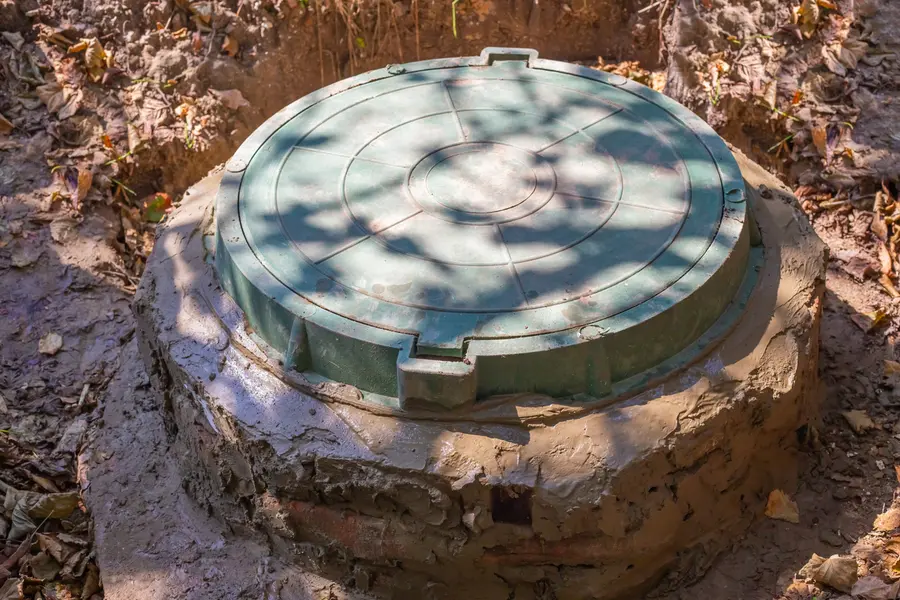
How septic system installation improves waste management comes down to one simple idea. It gives your home a safe, private way to treat and remove wastewater. Instead of sending waste to a city sewer, the system handles it right on your property. When installed the right way, it separates solids, filters water through soil, and helps protect your yard, groundwater, and nearby streams.
What You Need Before Starting
Before starting septic system installation, you need a clear plan. Every property is different. Soil type, lot size, slope, and local rules all matter. A proper soil test shows how well the ground can absorb water. This step helps decide what size tank and drain field you need.
You also need permits. Most areas require approval before any digging begins. A site plan will map out:
- The home layout
- Well location
- Property lines
- Drain field area
- Tank placement
Planning ahead prevents costly changes later.
Step-by-Step Process
Septic system installation follows a clear process. Skipping steps often leads to long-term problems.
- Site evaluation: A soil test and property review confirm the best system type.
- System design: Tank size and drain field layout are calculated based on home size.
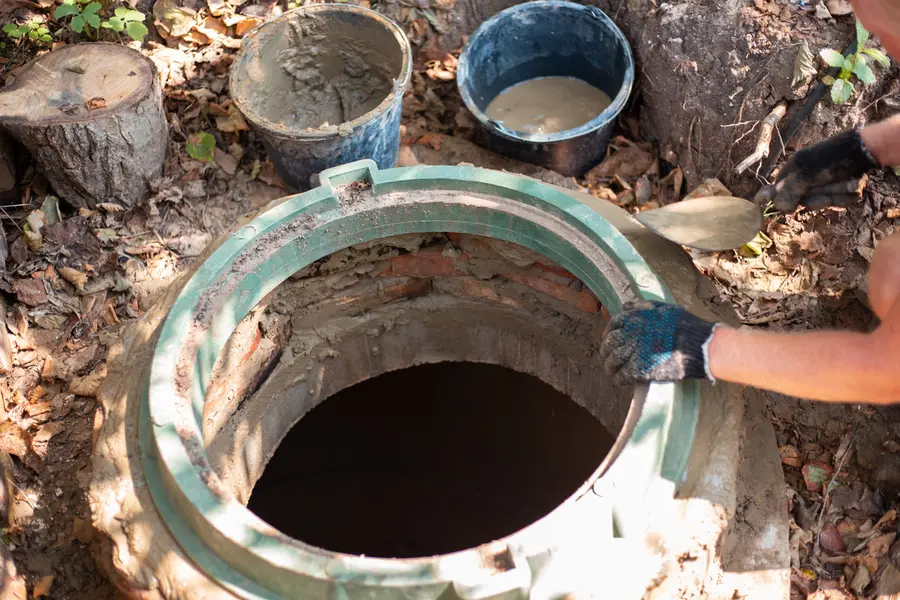
- Excavation: The area for the tank and drain lines is carefully dug.
- Tank placement: The septic tank is set level and connected to the home.
- Drain field installation: Perforated pipes are laid in gravel trenches to move treated water into the soil.
- Inspection and backfill: The system is checked, then covered with soil.
Each step builds on the last. Careful work here helps the system last 20 to 30 years.
How It Improves Waste Management
A well-designed septic system installation improves waste management in several ways. First, it keeps solid waste inside the tank. Bacteria break down much of that material. Next, liquid wastewater flows into the drain field. The soil filters out harmful bacteria and nutrients.
This process:
- Reduces pollution in nearby water sources
- Prevents raw sewage from surfacing in the yard
- Protects drinking water wells
- Controls odors around the home
Homes without access to a public sewer depend on this type of service category system. When handled properly, it works quietly in the background every day.
Common Mistakes to Avoid
Problems often start with poor planning or rushed work. Here are mistakes that can hurt performance:
- Installing the wrong size tank
- Placing the drain field in poorly draining soil
- Driving heavy equipment over the drain field after installation
- Skipping required inspections
- Ignoring setback distances from wells or property lines
Another common mistake happens after installation. Homeowners may flush wipes, grease, or harsh chemicals. These items can clog pipes and kill helpful bacteria in the tank.
When to Call a Professional
Septic system installation is not a simple weekend project. It requires knowledge of soil science, plumbing connections, and local codes. Heavy equipment is also needed to dig and place the tank safely.
You should call a professional if:
- You are building a new home
- Your old system has failed
- You notice standing water near the drain field
- Your sinks and toilets drain slowly
A trained installer can size the system correctly and follow local regulations. That protects your investment and helps avoid fines or repairs later.
Final Recommendation
If you are planning septic system installation in Sterling, AK, I can help you choose the right setup for your property and soil type. At JNB Construction, I handle every step carefully, from planning to final inspection. Call me at (907) 348-3590 to talk about your project and find out what solution fits your home best.