
Simple Steps to Pick a System That Fits Your Land, Home, and Long-Term Needs
To choose the right septic system for your property, start with your soil type, lot size, water table level, and household water use. These factors decide what system will work safely and last for years. The wrong choice can lead to early septic tank replacement, drainage problems, and costly repairs. The right choice gives you steady performance and fewer headaches.

What You Need Before Starting
Before picking a system, gather a few key details about your property. This information helps narrow your options.
- A recent soil test per local code
- Your lot size and layout
- Depth of the water table
- Number of bedrooms in your home
- Local health department rules
A soil test shows how fast water drains. Sandy soil drains quickly. Clay soil drains slowly. This alone can decide what type of system you can install. Local rules may also limit certain designs.
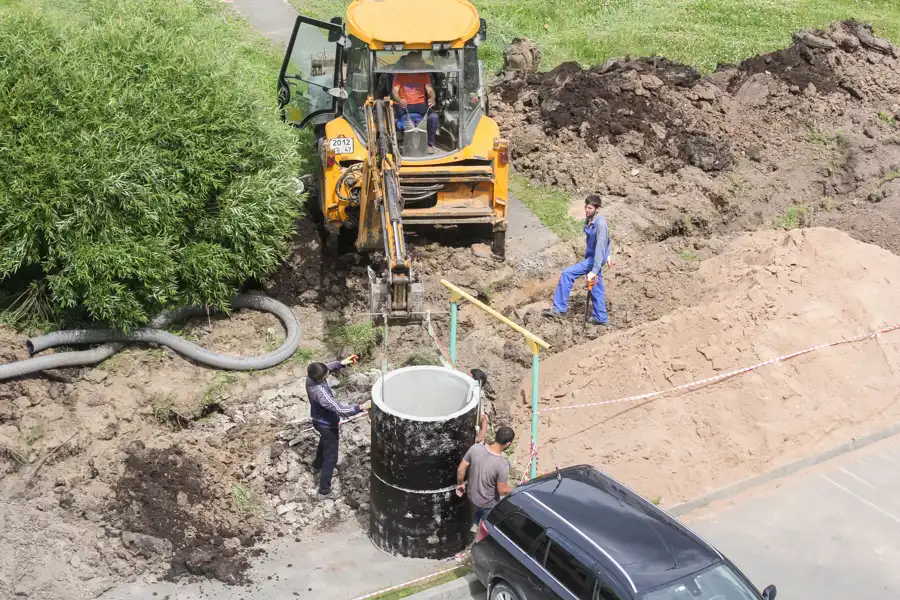
Step-by-Step Process to Choose the Right System
- Start with a soil evaluation. A professional will dig test holes and run a percolation test. This shows how your soil handles wastewater.
- Check space requirements. Conventional systems need enough open area for drain fields. Small lots may need alternative systems.
- Review system types. Common options include conventional gravity systems, pressure distribution systems, aerobic treatment units, and mound systems.
- Match the system to your water use. A large family creates more wastewater. Bigger homes may need larger tanks or advanced treatment units.
- Compare long-term care needs. Some systems need more frequent service. Think about maintenance and possible septic tank replacement years down the road.
- Confirm local permits. Always get approval before installation.
Each step builds on the one before it. Skipping one can lead to poor system performance.
Common Mistakes to Avoid
Many homeowners focus only on upfront cost. That can lead to problems later. A cheaper system that does not fit your soil may fail early and require septic tank replacement sooner than expected.
Another mistake is ignoring future needs. If you plan to add bedrooms or finish a basement, your wastewater load will increase.
Some people also overlook drainage patterns. If rainwater flows toward your drain field, it can flood the system. That reduces its ability to treat wastewater.
Understanding Your Main System Options
Here is a simple breakdown of common residential systems:
- Conventional gravity system: Best for well-draining soil and larger lots. Simple design with fewer moving parts.
- Pressure distribution system: Uses a pump to spread wastewater evenly. Good for slightly challenging soil.
- Aerobic treatment unit: Adds oxygen to treat wastewater more fully. Works well on small lots but needs regular service.
- Mound system: Built above ground with added sand. Used when soil drains poorly or water table is high.
Each system has different care needs. Some rely on pumps and electrical parts. Others are fully gravity-fed. More mechanical parts often mean more regular service.
When Septic Tank Replacement Becomes Part of the Decision
If your property already has an aging system, you may be planning a septic tank replacement instead of a brand-new install. In that case, inspect the drain field closely. Replacing just the tank will not fix a failing field.
Older systems may not meet current codes. You might need to upgrade to a different design. This is common when property use has changed over time.
Choosing the right system now can prevent another septic tank replacement for decades. Quality installation and proper sizing matter just as much as the system type.
When to Call a Professional
Septic design is not a DIY project. Soil science, slope, water tables, and local regulations all affect the outcome.
Call a professional if:
- You are building a new home
- Your current system shows signs of failure
- You notice slow drains or sewage odors
- You are planning an addition
An expert can review test results, explain options, and design a system that fits your land. This reduces the risk of early septic tank replacement and protects your investment.
Get Guidance Specific to Your Property
If you are planning a system install or septic tank replacement in Sterling, AK, I can help you review your options and choose what truly fits your property. At JNB Construction, I take the time to evaluate soil, layout, and long-term use so you are not guessing. Call (907) 348-3590 to speak directly with me and get clear answers about the best path forward.