
How a Simple Check Can Prevent Expensive Damage and Health Risks
A septic system inspection protects your property by finding hidden problems before they turn into costly repairs. A small crack, clog, or leak can damage your yard, your plumbing, and even your home’s foundation. Regular checks help catch these issues early, keep your system working the right way, and lower the risk of sewage backups.
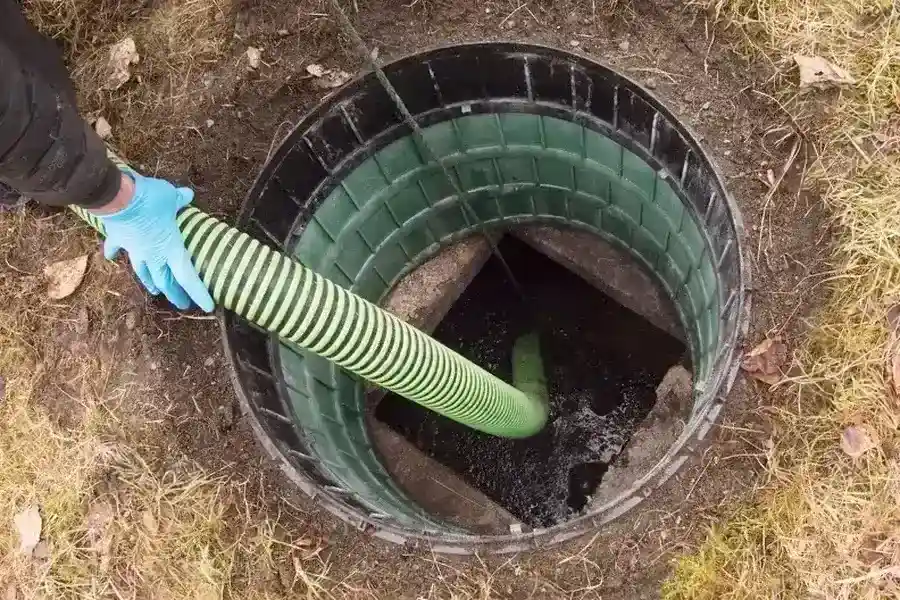
Quick Diagnosis: Small Problems Grow Fast
Most septic trouble starts small. A tiny leak in the tank. A drain field that is not absorbing water well. A filter that is clogged. At first, you may not notice anything wrong. Over time, waste builds up, water drains slowly, and pressure increases inside the system. That is when real damage begins.
A septic system inspection looks at each part of the system. The tank, pipes, and drain field are checked for wear, blockages, and signs of failure. By spotting trouble early, you protect your land and your home.
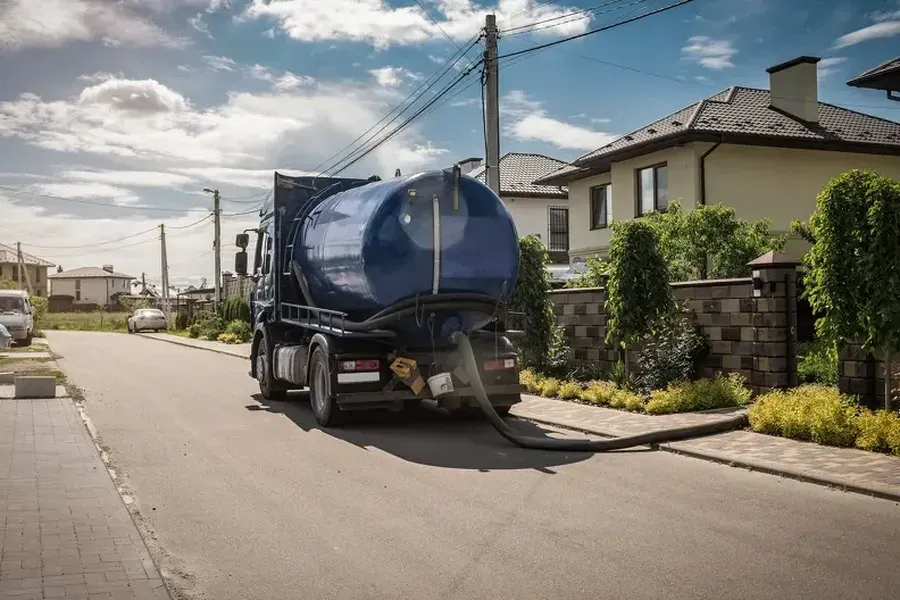
Common Warning Signs Homeowners Miss
Many property owners ignore early red flags. They may think a slow drain is no big deal. They may blame a bad smell on something else. These small signs often point to septic issues.
- Slow drains in sinks, tubs, or showers
- Gurgling sounds in pipes
- Bad odors near the yard or basement
- Wet or soggy spots above the drain field
- Grass that looks extra green in one area
If you see any of these signs, your system could be under stress. An inspection helps confirm the cause before sewage backs up into your home.
What Causes Septic Damage
Septic systems fail for clear reasons. One common cause is lack of maintenance. Tanks fill with solid waste over time. If they are not pumped, solids can move into the drain field and clog it.
Another cause is flushing the wrong items. Wipes, grease, and hygiene products do not break down well. They collect inside pipes and create blockages.
Heavy rain can also flood the drain field. When soil stays soaked, it cannot filter waste the way it should. Tree roots may grow into small cracks in underground pipes and cause breaks.
A septic system inspection checks for all of these problems. It looks at liquid levels, measures sludge buildup, and tests how well water flows through the system.
What to Check First If You Suspect a Problem
If you think your septic system is not working right, start with simple checks.
- Pay attention to how fast water drains inside your home.
- Walk around your yard and look for wet patches.
- Notice any strong sewage smells near the tank area.
- Check your records to see when the tank was last pumped.
These steps can help you describe the issue clearly when scheduling a septic system inspection. Clear details help the professional find the cause faster.
Safe Fixes Versus Professional Repairs
Some small actions are safe for homeowners. You can reduce water use for a few days. You can stop flushing wipes and other solid products. You can spread laundry loads out during the week.
Major fixes are different. Tank pumping, pipe repair, and drain field replacement require training and proper tools. Digging in the wrong spot can damage the system more. Opening a tank without safety steps can also be dangerous due to toxic gases.
A trained expert uses proper equipment to inspect, test, and repair the system safely. This protects both your health and your property.
Prevention Tips That Protect Your Investment
Your septic system is part of your property’s value. Buyers often ask about its condition. A record of regular septic system inspection visits shows that the system has been cared for.
To help prevent damage:
- Pump the tank on a regular schedule
- Fix leaking faucets and toilets
- Avoid pouring grease down the drain
- Keep heavy vehicles off the drain field
- Plant trees away from underground pipes
These simple habits lower the risk of failure and extend the life of your system.
When to Schedule Professional Help
You should schedule a septic system inspection if it has been several years since your last check, if you notice warning signs, or before buying or selling a home. Regular inspections help prevent surprise repairs that can cost thousands of dollars.
If you live in a rural area, your septic system handles all of your household waste. That makes routine checks even more important. Waiting until sewage backs up into your sinks or yard can lead to soil contamination and indoor damage.
Protect Your Home With the Right Support
If you need a septic system inspection in Sterling, AK, I can help check your system and explain what I find in simple terms. At JNB Construction, I focus on honest service and clear answers. Call me at (907) 348-3590 to schedule a visit and protect your property before small problems turn into major repairs.